Liquid Tensioning was selected and premiered at the ICMC 2026 Conference in Hamburg in May 2026. The concert took place in the Speicher Kaufhauskanal, a historic building in the Hamburg Harbour. The 13th of May. Vlatko Kučanat, bass clarinet, and Myrsini Bekakou, violin, played to work.
In this performance, four attendees registered as co-creators
Finlay; xldrkp; Anthony; Kamal;
16 attendees connected with the web server. Four attendees filled out the concert survey.
Program notes
Liquid Tensioning is a work for violin and bass clarinet, live notation, live generative system, live electronics, and attendees’ participation. Liquid Tensioning is a Collaborative and interactive work. The work is real-time, created by the evaluations of the attendees. The attendees will evaluate the evolution of the material via a web app, and the musical generative system will change according to the evaluation in real time. The Musicians will receive the notes via a live notation system on their mobile phones. The title of the works refers to the model of tensioning provided by the generative system. This model is based on a musical tensioning that is not related to the properties of the musical material. This work belongs to a series of works in which the composer creates a self-referential musical generative system based on the real-time evaluation of the evolution of material. The main musical material of this work is its evaluation.

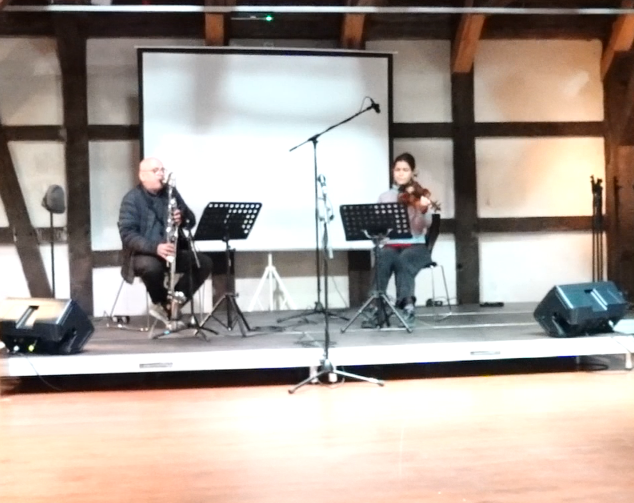
Fig . 1 Vlatko Kučanat, bass clarinet, and Myrsini Bekakou, violin, during the rehearsal
Liquid tensioning
This work is a creative hybrid networked framework that integrates the musical generative system and its evaluation. The attendees, the generative system, and the Musicians integrate into a hybrid networked creative system. This work is, at the same time, a musical and a social experiment. The data from the attendees’ evaluations will be recorded, processed, and shared as Open Data. The Live notation system used in this work is not improvisation; the musicians are expected to play with as much precision as the events they receive on their mobile phones.
Liquid Tensioning as an aesthetic-social experiment
From the perspective of a social-aesthetic experiment, this work researches three different aspects. First, we want to know whether the same cooperative patterns occur in each realization of the work, or whether, in each realization, the attendees´ evaluations are completely different.
Second, we want to know whether participation through the evaluation itself generates a new way of listening and engagement with the work. Do we listen in the same way when we are creating the work by changing the work through its very own evaluation? How does participation in the real-time evaluation of the work influence listening to the work?
Third, is there something like a collective listening embodiment? Can we say that the attendees work as a collective embodied sensory system, or do they act individually?
Description of the work
The form and narrative of the work are the history of its evaluation. The formal development of the materials is not determined a priori; it depends on real-time evaluation by attendees. The work is conceived as a loop between the generative system and the attendees.
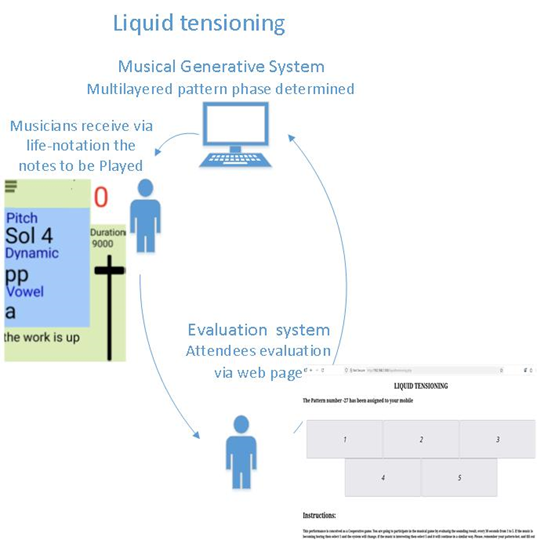
Fig. 2. Circular self-referential scheme.
This Work is a circular self-referential musical cooperative game. The attendees connect to a Wi-Fi network and then to a web server. They will interact with the system through a web page, evaluating the resulting sound every 30 seconds. Then the generative system will react to the evaluations. If the evaluations are positive, the system will not change. If the evaluations are negative, the system will change, and the sounding result will change.
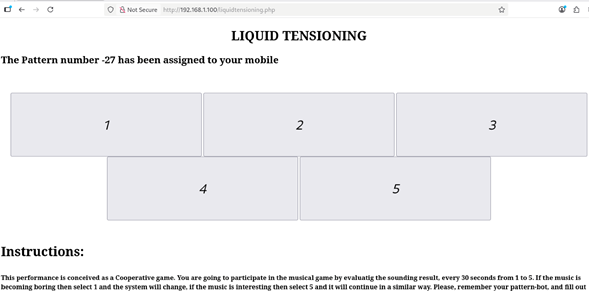
Fig.3. This is the web application that the attending public will use to evaluate the work.
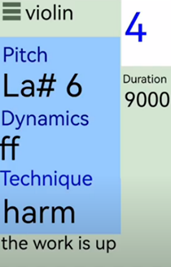
Fig. 4. This is the application used by the interpreter to receive the notes to be played.
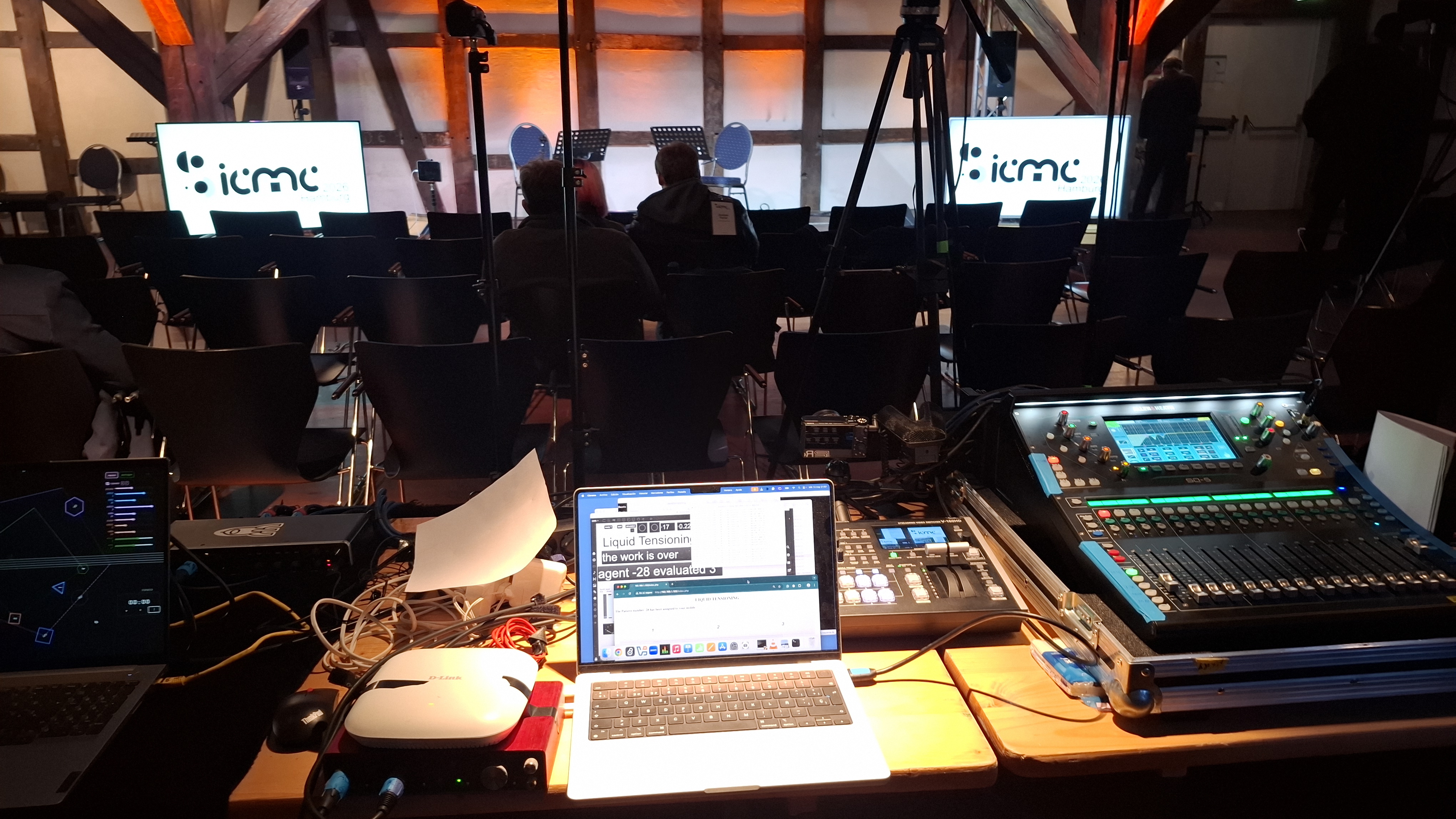
Fig. 5. Setup with the computer and the Network equipment just before the concert.
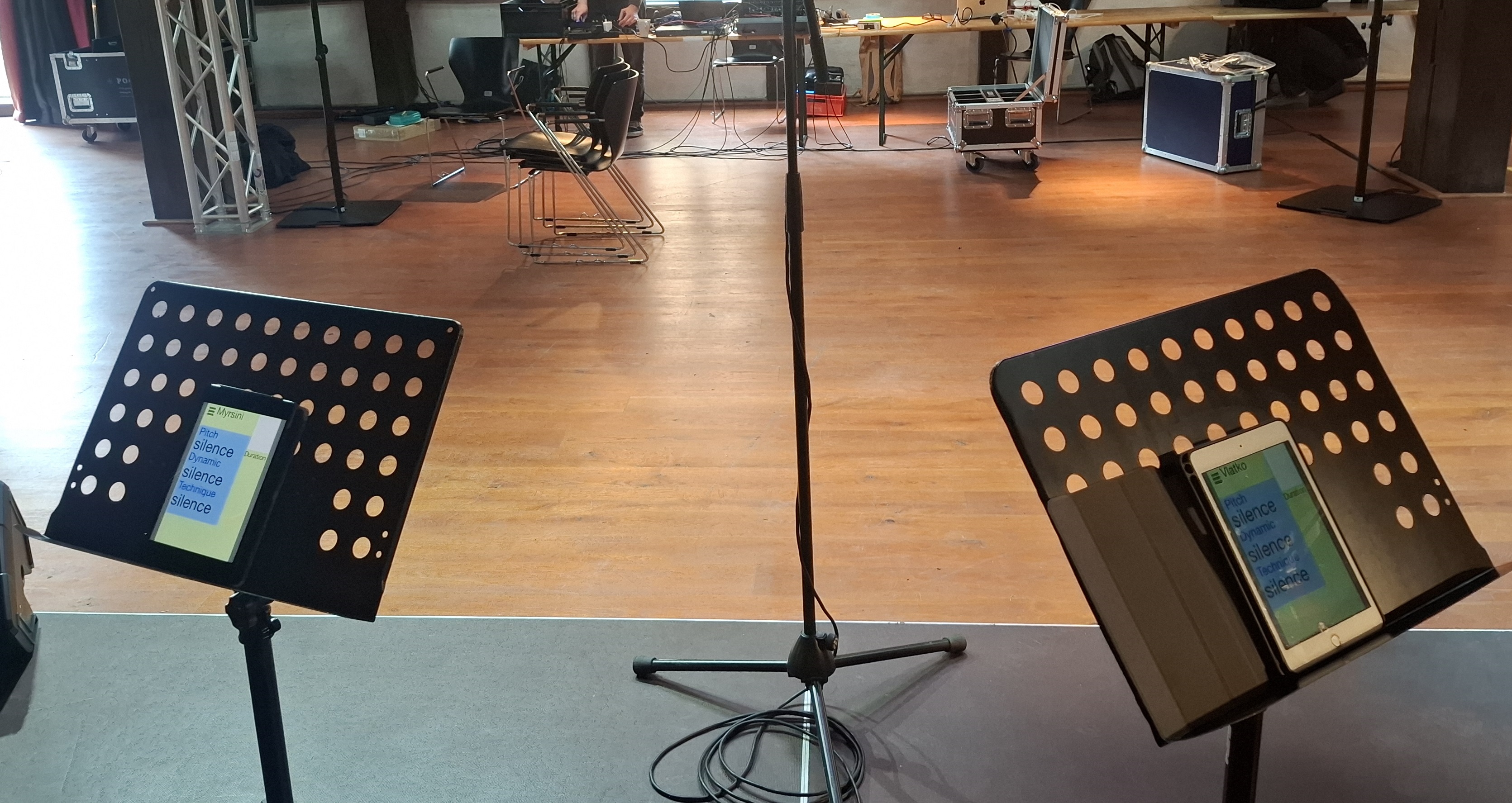
Fig. 6. Live notation system, prepared during rehearsals
References
- [1] Egido, F. Artificial Computational Creativity based on Collaborative Intelligence (2020). Presented at the Artificial Intelligence Music Creativity 2021, Graz.
- [2] Egido, F. Taxonomy of listening tensioning based on cognitive dissonance (2024). J of Electron Sci and Electrical Res 3(1), 01-07. Lectured at the Bled Contemporary Musical Week 2025. Presented at the Bled Contemporary Musical Week 2025.
- [3]Egido, F. Towards an Aesthetics of Cognitive-Parametric Music (2011).
- [4] Egido, F. Using a Distribution Probability Follower in MAS Works (2018). Presented at the Korea Electro-Acoustic Music Society’s Annual Conference 2019.
Similar Works
- Humanity as A Sensory System (2026)
- When the Self of Us Becomes Ours (2025)
- The Human in the Loop (2025)
- Public stage ( 2023)
- Collaboration as an Act of Creativity (2022)

